
Winter in Toronto is no joke. When temperatures drop, everything changes—roads get slippery, batteries die without warning, and breakdowns happen more often. During snowstorms and freezing rain, tow trucks get busy fast, which means long wait times and stressful situations for drivers. That’s why preparing your car before winter hits is one of the smartest things you can do.
Being ready doesn’t just protect your car. It keeps you safe while waiting for help and makes the towing process faster and smoother. And with Ontario’s Towing and Storage Safety and Enforcement Act (TSSEA), both drivers and tow operators must follow clear rules. When you understand these rules and prepare your vehicle, you can avoid unnecessary delays and stay safe during cold weather emergencies.
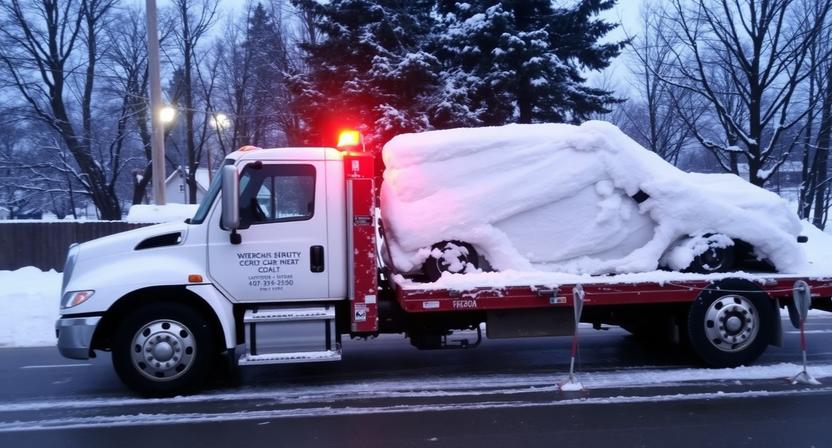
This guide will walk you through everything you need to know—how to get your car winter-ready, what to keep in your trunk, how to protect yourself while waiting for a tow, and what licensed tow operators must legally do during winter tows.
1. Make Sure Your Car Is Winter-Ready Before You Ever Need a Tow
The best way to avoid winter towing problems is simple: prepare your car before the cold arrives. Many breakdowns in Toronto happen because drivers skip small checks that turn into bigger issues in freezing weather.
Check Your Battery Health
Car batteries lose power in the cold. If your battery is already weak, winter will expose it fast. A slow engine cranking sound or dim dashboard lights are early signs of trouble. Having your battery tested in the fall can save you from waiting in freezing temperatures later.
Inspect Tires and Understand Winter Tire Benefits
Toronto roads get icy, and even short drives can become unsafe. Winter tires give better grip and shorter stopping distances. While not legally required in Toronto, winter tires reduce your risk of sliding, losing control, or needing emergency towing. Some insurers even offer discounts for using them.
Keep Fluids at Safe Levels
Winter-grade washer fluid, antifreeze, and clean oil all help your car survive cold conditions. Low antifreeze can cause your engine to freeze. Empty washer fluid makes driving in slush dangerous. These small details help prevent sudden breakdowns.
Make Sure Brakes and Lights Work Properly
Snow and ice make braking harder. If your brakes are worn or your brake lights aren’t bright enough, you’re at higher risk of collisions or skidding. These issues often lead to winter tows that could have been avoided with simple checks.
2. What to Keep in Your Car for Safe Winter Towing
Your car should always have a winter emergency kit. But when you add towing into the mix, a few extra items make everything easier.
Build a Basic Winter Emergency Kit
Your winter kit should include:
- Blanket or thermal wrap
- Gloves and hat
- Flashlight with batteries
- Booster cables
- Ice scraper
- Small shovel
- Sand or kitty litter for traction
These essentials help keep you warm and safe if you get stuck.
Carry Towing-Specific Items
When winter storms hit, tow trucks may take longer to reach you. Keeping these items in your car helps speed up the process:
- Proof of ownership
- Insurance slip
- Tow receipts or roadside membership details
- Contact number of your trusted tow company
Having these ready ensures the tow operator can help you without delays.
Avoid Winter Tow Delays
Tow operators often struggle to reach cars with low fuel, flat tires, or frozen wheels. Keep your gas tank at least half full to prevent freezing. Also check your tire pressure often—cold air makes tires lose air faster.
3. How to Stay Safe While Waiting for a Tow During Winter
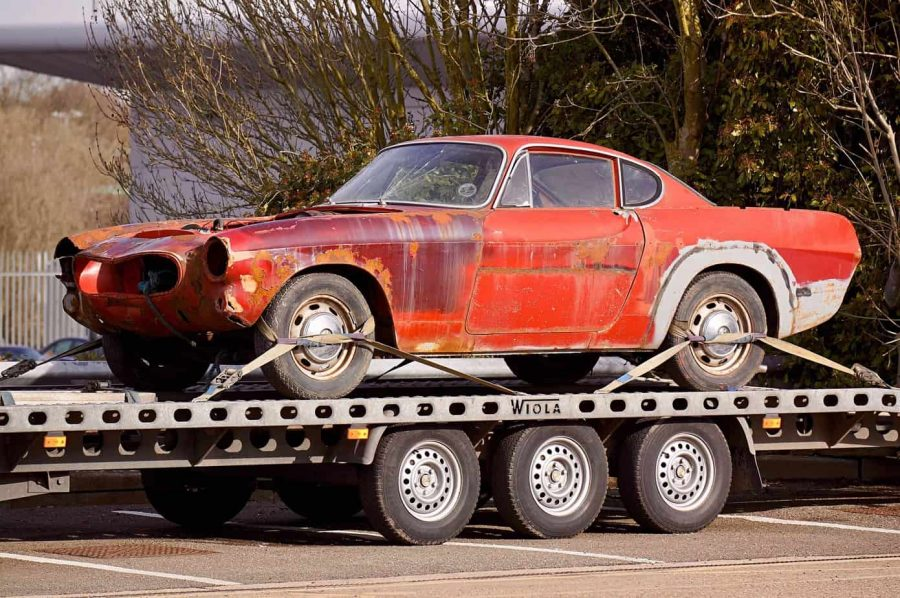
When your car breaks down in winter, the biggest danger isn’t the vehicle—it’s the cold. Staying safe until help arrives is the priority.
Move Your Vehicle to a Safe Location
If possible, pull over to the side of the road, away from traffic. Turn on your hazard lights and place reflective markers to help other drivers see you through snow or fog.
Stay Warm and Avoid Exposure
The risk of frostbite increases quickly in freezing temperatures. Stay inside your car unless the location is unsafe. Run the heat in short intervals to conserve fuel while keeping the cabin warm.
Know What Tow Operators Must Legally Do
Under TSSEA, tow operators must:
- Show their provincial certification
- Provide a written estimate
- Share a consent-to-tow form
- Offer clear pricing
- Load vehicles safely even on ice or snow
A licensed operator will never pressure you or hide fees.
4. Steps a Tow Truck Operator Takes During a Winter Tow
Winter towing requires more care than summer towing. Snow, ice, and low visibility mean tow operators must take extra safety steps.
Clear Communication and Consent
A legal tow begins with identification. The operator must show their certification, explain the situation, and get your written permission unless the tow is police-ordered. In winter, this clarity prevents dangerous misunderstandings.
Safe Loading and Equipment Use
Tow operators use sand or salt for traction, wheel lifts to prevent sliding, and winches to pull stuck vehicles. Proper safety steps help avoid damage to your car, especially when snow covers curbs or obstacles.
Documentation You Should Receive
After loading your vehicle, the operator must give you:
- Consent-to-tow paperwork
- An itemized invoice
- Their certificate number
- Tow destination details
These documents protect you if issues come up later.
5. How to Protect Your Vehicle Before It Gets Towed in Winter
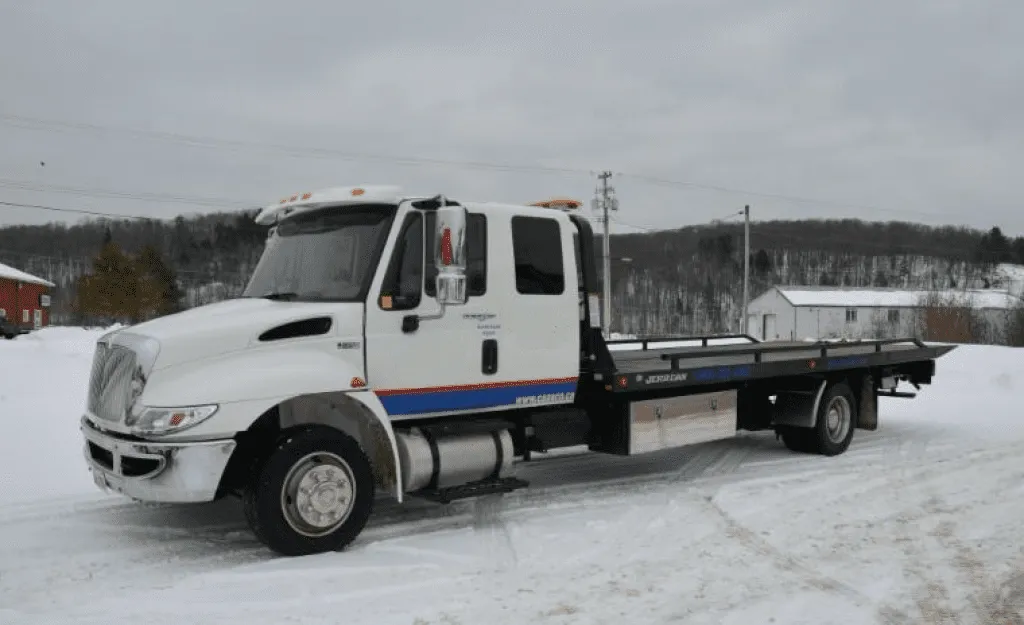
A few simple steps help prevent damage and make the tow faster.
Clear Snow Around the Vehicle
Removing snow near the tires and under the bumpers helps the tow operator access your car safely. It saves time and prevents accidental scraping during loading.
Unlock the Car and Remove Valuables
Under Ontario law, you can retrieve personal belongings even if you can’t pay the full fee yet. Remove essentials like wallets, phones, bags, and documents before towing begins.
Take Photos of Your Vehicle
Snow can hide dents, scratches, or previous damage. Take quick photos from different angles. These images help if you need to file an insurance claim after the tow.
Conclusion: Winter Preparation Helps You Avoid Stressful Towing Situations
Winter towing in Toronto doesn’t have to be overwhelming. When your car is ready for cold weather, you lower the chances of sudden breakdowns and make the towing process safer and faster. Knowing your rights under Ontario towing laws also helps protect you from unfair charges or risky operators.
If you ever need help on the road this winter, choose a licensed, trusted towing company that understands Toronto’s weather and follows provincial safety rules.
For fast, safe, and fully legal winter towing in Toronto, contact Emergency Roadside Service by South Toronto today.
Frequently Asked Questions
1. How can I prevent my car from breaking down in Toronto’s winter?
Regular checks help the most—test your battery, use winter tires, keep fluids full, and watch tire pressure. Cold weather makes weak parts fail faster. Preparing early lowers the chances of needing a tow during snowstorms or freezing nights.
2. What should I keep in my car for winter towing emergencies?
Carry warm items like a blanket, gloves, and a flashlight. Add booster cables, an ice scraper, and a small shovel. Keep your insurance slip and car ownership handy. These items make winter towing easier and keep you safer while waiting.
3. How do I stay safe while waiting for a tow truck in winter?
Stay inside your car to avoid frostbite, keep your hazards on, and move to a safe area if possible. Run the heat in short bursts to save fuel. Use reflective markers so other drivers can see you during snow or fog.
4. Can tow trucks reach me during a snowstorm in Toronto?
Yes, but response times are longer. Heavy snow slows traffic and makes roads harder for tow trucks. Preparing your car and sharing your exact location helps operators reach you faster. Keeping the area around your car clear also helps.
5. What are tow operators legally required to show in winter towing situations?
Tow operators must show their provincial certification, give a written estimate, and provide a consent-to-tow form unless police ordered the tow. They must load vehicles safely, even on ice or snow. These rules stay the same year-round under Ontario law.
6. Should I take photos before my car gets towed in winter?
Yes. Snow can hide bumps or scratches, so photos protect you if damage occurs during the tow. Capture all sides of the vehicle, the road conditions, and any snow around the tires. It’s quick and helps with insurance claims.
7. What should I do if my car won’t start in freezing temperatures?
Check the battery first, as cold weather drains power. Try boosting the car with cables or a portable booster. If the engine still won’t start, call a licensed tow operator. Keeping fuel above half helps prevent fuel line freezing.
8. Can winter tires reduce the chance of needing a tow?
Yes. Winter tires grip snow and ice better, helping you stop sooner and stay in control. Many winter towing calls come from drivers using all-season tires. Switching to winter tires lowers your risk of spinning out or getting stuck.
9. What should I do if my car gets stuck in deep snow?
Clear snow from around the wheels, use traction aids like sand or kitty litter, and gently rock the car forward and back. Avoid spinning your tires too hard. If the car doesn’t move, call a tow truck before damaging the drivetrain.
10. How do I keep my fuel from freezing during Toronto winters?
Keep your tank at least half full. Low fuel increases the chance of moisture freezing in the lines. Use winter-grade washer fluid and run the engine occasionally during long parking periods. These small steps help prevent winter breakdowns.