A motorcycle problem on the shoulder feels different from a car breakdown. You have less protection, less storage, and a lot less room for error if traffic is moving fast. That is why understanding your motorcycle roadside assistance options before something goes wrong matters. The right coverage can mean the difference between a quick recovery and a long, expensive wait.
For most riders, the real question is not whether roadside help is useful. It is which kind of help makes sense for how, where, and how often you ride. A weekend rider who stays close to home may need something very different from a daily commuter or a rider who takes longer highway trips.
What motorcycle roadside assistance options usually include
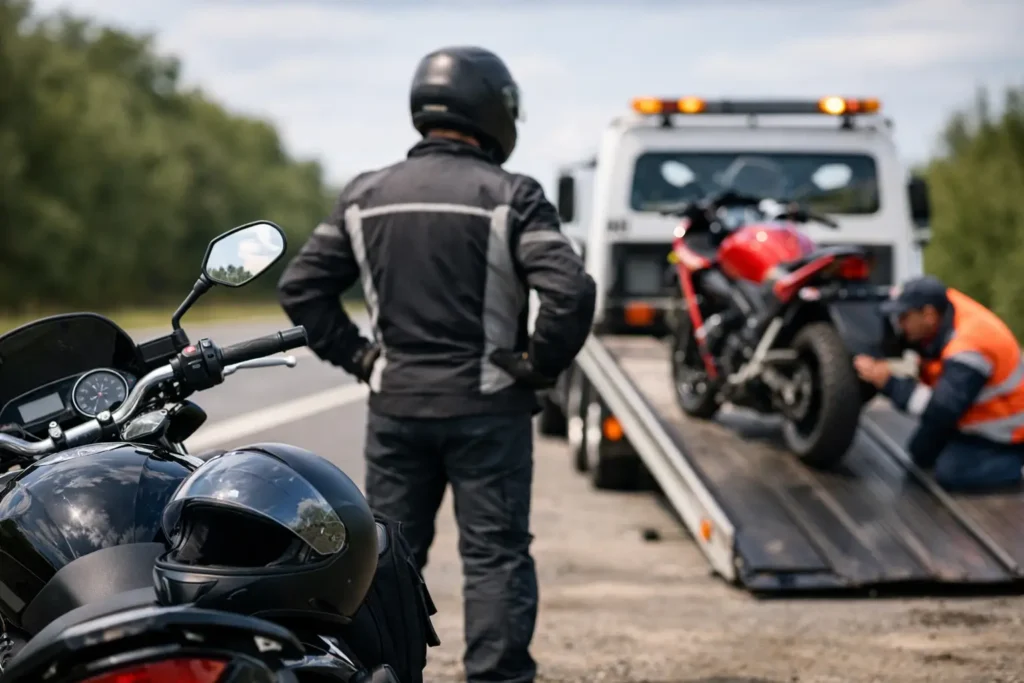
Most motorcycle plans cover the basics, but the details are where the value is. Towing is usually the main feature, especially after a breakdown, a dead battery, or a tire issue that cannot be fixed on the spot. For motorcycles, this matters even more because proper transport is not as simple as hooking up and driving away. The bike needs to be secured correctly to avoid damage during loading and transit.
Many plans also include battery boosts, fuel delivery, flat tire assistance, and lockout help for bikes with locking luggage or compartments. Some providers will send a technician who can handle small issues roadside. Others mainly dispatch a tow truck and transport the motorcycle to a shop, your home, or another approved location.
That difference matters. If your concern is getting moving again as fast as possible, look for plans that emphasize roadside repair support, not just towing. If your priority is safe transport after a serious issue, focus on towing equipment, distance limits, and whether the operator is experienced with motorcycles.
The main types of motorcycle roadside assistance options
There are a few common ways riders get covered. The first is through a dedicated roadside assistance membership. These plans are often broad, easy to renew, and built around emergency dispatch. They can work well for riders who want one number to call any time, day or night.
The second option is coverage through motorcycle insurance. Some insurers offer roadside assistance as an add-on. This can be convenient because the service is bundled into an existing policy, but it is worth checking the fine print. Not every insurance-based plan offers the same towing distance, response times, or bike-specific handling standards.
The third option is manufacturer or dealership support. This is more common for newer motorcycles and may come with limited-term coverage after purchase. It can be useful, especially if you ride a newer bike that still falls within the support period, but it may be narrower than a standalone roadside plan.
Then there is pay-per-use service. This is the option many riders end up using when they do not have any coverage in place. It gives you flexibility because you only pay when you need help, but it can also be the most stressful route. In an emergency, you are trying to compare availability, pricing, and equipment while stranded. That is not ideal, especially at night or in heavy traffic.
How to compare motorcycle roadside assistance options
The first thing to check is towing distance. Some plans advertise towing coverage but cap it at a short range. That may be enough in a dense urban area, but not if your preferred repair shop is farther away or if you break down outside the city.
The next issue is motorcycle-specific capability. Not every roadside provider handles motorcycles with the same care. Riders should look for companies that understand bike transport, use proper tie-down methods, and can load different styles of motorcycles safely, including cruisers, sport bikes, touring bikes, and heavier models.
Response time also matters. A low-cost plan looks less appealing if you are left waiting for hours on the roadside. Fast dispatch is especially important for motorcycles because exposure to weather, traffic, and reduced visibility creates extra risk. If a provider emphasizes 24/7 service, real dispatch coordination, and clear arrival updates, that is a practical advantage, not just a marketing line.
Price transparency deserves attention too. Some memberships are affordable up front but add service fees, mileage charges, or restrictions when you actually need help. Others cost more annually but provide more predictable coverage. The better choice depends on how often you ride and how much risk you are willing to take.
When a membership plan makes sense
If you ride often, commute regularly, or take trips beyond your immediate area, a membership plan can be a smart decision. The more miles you put on your bike, the more valuable reliable dispatch and known pricing become. A rider who uses a motorcycle several times a week is more likely to benefit from annual coverage than someone who only rides a handful of times each summer.
Membership plans also help riders who want less decision pressure during an emergency. If your bike will not start in a parking garage, or you get a flat late at night, having coverage already in place speeds up the process. You make the call, confirm your location, and focus on staying safe.
Still, not all memberships are equal. Some are better for local commuting. Others are better for touring or multi-state travel. If most of your riding happens in busy city areas, prioritize fast urban dispatch and short wait times. If you travel farther, towing distance and coverage area become more important.
When pay-per-use roadside help is the better option
Pay-per-use service can be the right call if you ride occasionally and keep your bike well maintained. It can also make sense if you already have partial support through insurance or a dealership warranty and only need a backup for situations outside those limits.
The trade-off is uncertainty. You may pay more during the actual emergency, and you need to verify that the provider can handle motorcycles properly. In urgent situations, riders often care less about finding the absolute lowest price and more about getting safe, professional help without delay.
That is where local roadside companies can be a strong option. A dispatch-based provider with licensed, insured operators and motorcycle towing experience can often offer more practical help than a generic national network that subcontracts the job with limited local oversight. In a high-stress moment, local knowledge and fast arrival matter.
Why local service matters for riders
Motorcycle breakdowns are rarely convenient. They happen before work, after dark, in bad weather, or in unfamiliar areas. A provider that knows the local roads, traffic patterns, and service zones can often respond more efficiently than a broad network working from a distant call center.
For riders in major urban areas, this is especially important. Congestion, narrow streets, parking structures, and heavy traffic all affect dispatch. A company focused on immediate roadside support can coordinate faster and set clearer expectations. That reduces stress and helps you make better decisions while you wait.
Emergency Roadside Service by South Toronto is one example of the kind of local operation riders look for when speed, transparent pricing, and professional handling matter. The point is not just getting a truck. It is getting the right help, fast.
Common gaps riders miss
A lot of riders assume every roadside plan covers every type of breakdown. That is not always true. Some plans limit how often you can call in a year. Some exclude certain tire situations or only cover towing to the nearest shop. Others may not fully support modified bikes, older motorcycles, or specialty models.
Storage and passenger needs can also be overlooked. If you are riding with luggage, saddlebags, or a passenger, ask what happens during transport. If you break down far from home, think beyond the bike itself. How are you getting where you need to go after the motorcycle is loaded?
These details seem minor until you are stranded. Then they become the whole story.
Choosing the best motorcycle roadside assistance options for your riding style
If you commute daily, choose a plan that emphasizes fast response, urban coverage, and dependable towing. If you ride long distances, focus on mileage limits, service area, and support availability outside your immediate region. If you only ride occasionally, compare the yearly cost of membership against the likely cost of one emergency call.
There is no single best answer for every rider. There is only the option that fits your bike, your routes, and your risk tolerance. The smart move is to decide before the roadside decides for you.
A good roadside plan does more than save money. It protects your time, your motorcycle, and your safety when something goes wrong. When you ride prepared, a breakdown stays a problem to solve, not a situation that takes over your day.