
24/7 Towing Services in Toronto: Why They Matter
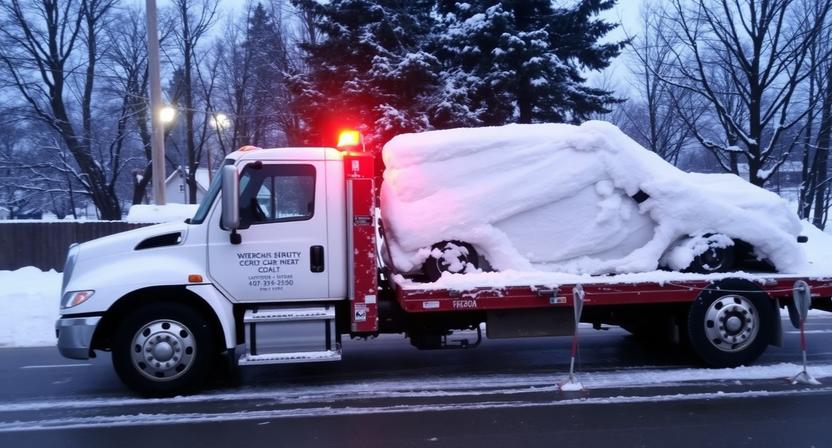
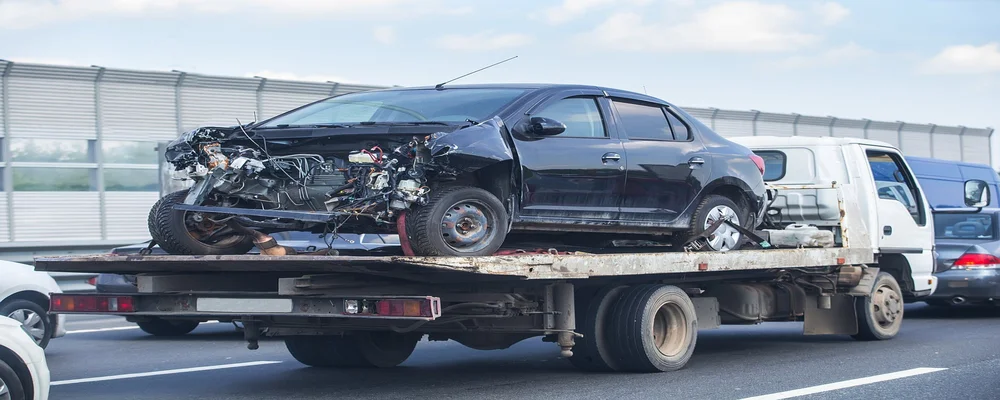
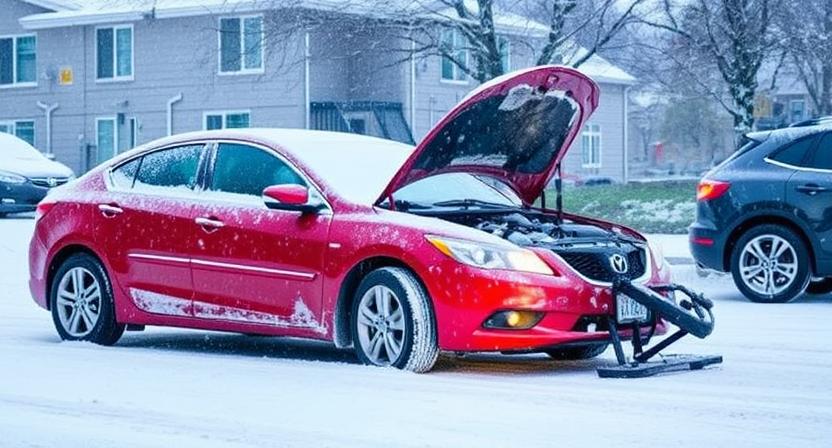
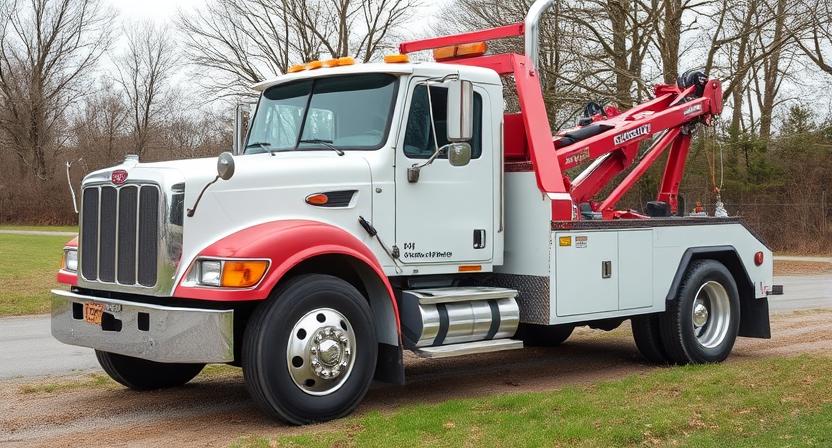
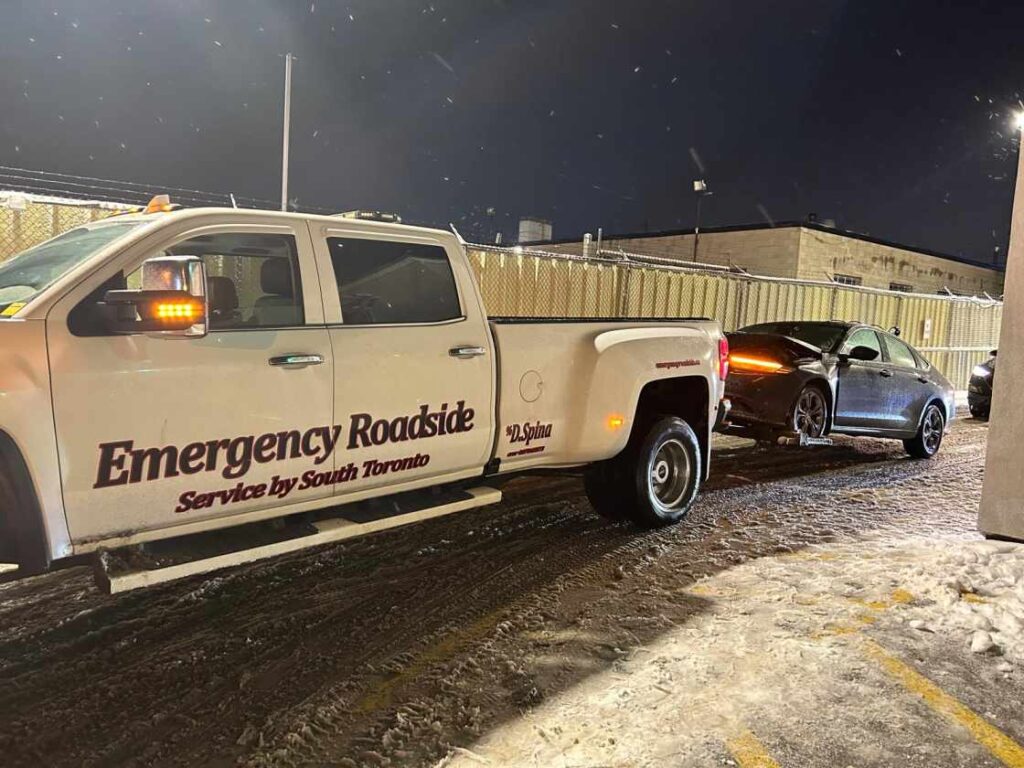
When you’re driving through a busy city like Toronto, anything can happen. A flat tire can hit you on the Gardiner at midnight. Your battery can die in a parking lot after a long shift. A sudden breakdown can leave you cold and stranded during a winter storm. These situations don’t wait for business hours, and that’s exactly why 24/7 towing services matter so much. Most people don’t think about towing until they need it. That moment is usually stressful, unexpected, and filled with uncertainty. But when reliable, certified towing is available at any hour, it gives drivers a sense of safety that doesn’t depend on the time of day. Whether it’s late at night, early in the morning, or during a heavy snowfall, round-the-clock towing keeps Toronto moving and protects drivers when they feel most vulnerable. Get a Free Towing Quote Today In this guide, you’ll learn why 24/7 towing is important, what services are included, how Ontario’s towing laws apply after hours, and how to choose the right company when you need help fast. 1. Emergencies Don’t Wait — The Real Need for 24/7 Towing A breakdown or emergency can happen at any time, and often at the worst possible moment. That’s especially true in Toronto, where busy highways, unpredictable weather, and long commutes make after-hours support essential. Late-Night Breakdowns on Toronto’s Busy Roads Routes like the DVP, QEW, 401, and Gardiner Expressway are heavily used well past midnight. If your car breaks down on these roads, staying there too long is dangerous. Visibility is low, traffic moves fast, and standing outside your vehicle can put you at risk. A 24/7 towing service gets to you quickly, removes you from danger, and gets your vehicle off the road before conditions become worse. Weather Events and Unexpected Hazards Toronto’s weather can change in minutes. Heavy snow, freezing rain, or black ice can leave your vehicle stuck or unable to start. You might slide into a snowbank or find your battery completely dead during a cold snap. A round-the-clock towing service means someone is there to help, even during the harshest winter conditions. Collision Response After Hours Many collisions happen late at night when drivers are tired or roads are slick. In these moments, fast help is crucial. A certified tow operator can move your vehicle safely, follow legal procedures, and ensure everything is documented properly, even if the accident happens at 3 AM. 2. What 24/7 Towing Services Include 24/7 towing covers much more than simply pulling a car from one location to another. When you call for help, you may need more than a tow, especially during emergencies. Here’s what most round-the-clock towing services in Toronto include: Emergency Towing Any time your car becomes unsafe or unable to move, emergency towing brings your vehicle to a mechanic, your home, or a place you choose. This includes breakdowns, mechanical failures, and accidents. Roadside Assistance A lot of problems don’t require a full tow. That’s why 24/7 services often include roadside assistance, such as: Having these services available late at night can prevent long waits and unnecessary stress. Accident Scene Towing Accidents can happen any time. When they do, a trained tow operator handles your vehicle with care, follows Ontario towing laws, and ensures your car is transported safely. After-hours accident support prevents your damaged vehicle from blocking roads or creating additional hazards. Impound Recovery Assistance If your vehicle has been taken to an impound lot, a 24/7 towing service can help you retrieve it. This includes towing it out of the impound lot and transporting it to your home or a repair shop, depending on your needs. Long-Distance and Night Towing Some breakdowns require longer towing distances. Whether you’re stuck outside the city or traveling late at night, a 24/7 towing service ensures you’re not left waiting for morning. Heavy-Duty and Light-Duty Towing From small cars to SUVs and work vans, round-the-clock towing covers all vehicle sizes. Some companies also offer heavy-duty towing for trucks or commercial vehicles. 3. Legal Standards: Why 24/7 Tow Operators Must Be Certified Book Reliable Towing in Toronto Not every tow truck on the road operates legally. In Ontario, all towing and vehicle storage is regulated under the Towing and Storage Safety and Enforcement Act (TSSEA). These laws apply 24 hours a day, including nights, weekends, and holidays. TSSEA Regulations Every Driver Should Know Under the TSSEA: These laws help protect drivers from unsafe or predatory towing practices. Consumer Rights During 24/7 Tows Time of day doesn’t change your rights. Whether it’s 2 PM or 2 AM, you have the same protections under Ontario law, including: Even in emergencies, certified operators must follow these rules. What a Legal Tow Truck Must Show — Even at 3 AM Every legal tow truck in Toronto must display: If a tow truck shows up without documents or refuses to provide an estimate, you should not accept service. 4. Safety Benefits of Having Reliable 24/7 Towing in Toronto Emergency towing isn’t just a service—it’s a safety measure. Being stranded at night can put you at risk, especially in busy or poorly lit areas. Avoiding Dangerous Situations on Highways Breaking down on a highway shoulder after dark is extremely unsafe. Incoming drivers may not see your vehicle until they’re close, especially during rainy or foggy nights. A 24/7 towing service helps you get out of that situation quickly. Faster Response Times Reduce Hazards Quick assistance prevents accidents. Certified tow operators know how to secure vehicles safely, use proper lighting, and remove hazards to keep the road clear. Their training includes night-time safety procedures that protect both drivers and towing crews. Protecting Your Vehicle From Damage Improper towing can cause more harm than the original issue. A licensed 24/7 tow operator uses certified equipment and follows safety standards to protect your vehicle’s frame, tires, and transmission—even in low light or harsh weather. 5. How 24/7 Towing Supports Toronto Drivers During Winter Get a Free Towing Quote Today Toronto winters