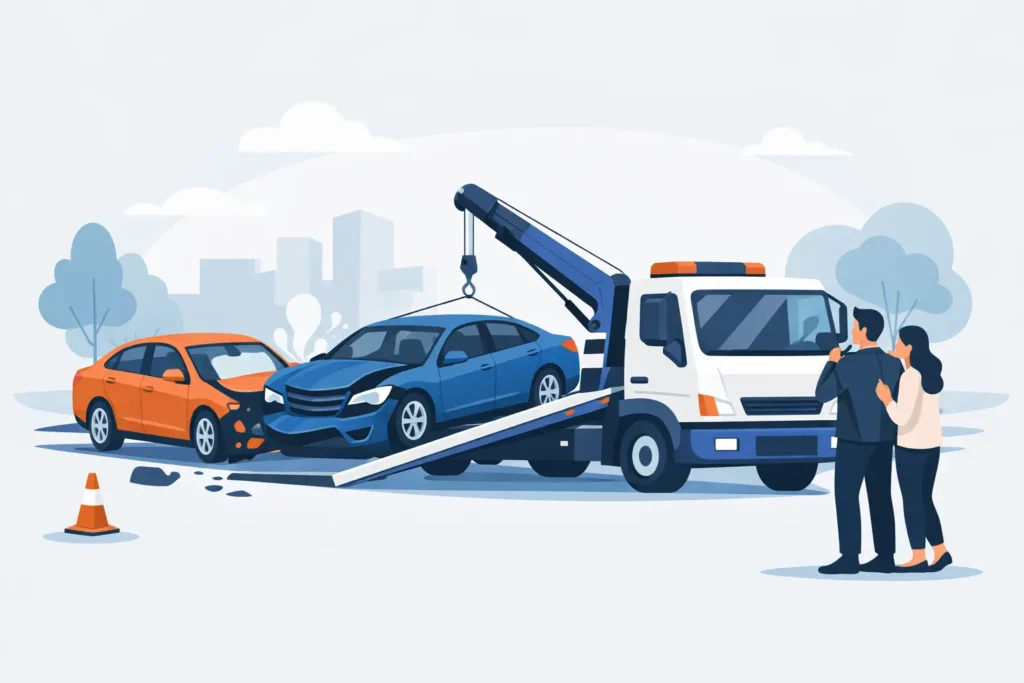
The first few minutes after a crash rarely feel clear. Your heart is racing, traffic is still moving, and you are trying to figure out whether the car can move, whether anyone is hurt, and who to call first. That is exactly when accident towing after collision matters most – not as a routine service, but as a safety step that protects you, your passengers, and everyone else on the road.
In Toronto, collisions happen in tight downtown streets, on packed expressways, in parking garages, and on neighborhood roads where space is limited and traffic builds fast. A damaged vehicle left in place can create a second hazard. Even if the damage looks minor, steering, suspension, tires, alignment, or fluid systems may already be compromised. Driving it “just a short distance” can turn a manageable situation into a bigger repair bill or a more serious roadside emergency.
When accident towing after collision is the safer choice
A lot of drivers assume towing is only necessary when a vehicle is completely undrivable. That is not always true. If airbags deployed, if there is visible front-end or rear-end damage, if a wheel looks crooked, if fluids are leaking, or if warning lights are flashing, towing is usually the smarter call. The same goes for EVs, luxury vehicles, all-wheel-drive systems, and motorcycles, where improper movement after impact can cause added damage.
There is also the issue of hidden damage. A car may still start and roll, but that does not mean it is road-safe. Collisions can damage steering components, loosen underbody panels, crack radiators, bend axles, or affect braking performance. What feels like a car that is “probably fine” in the moment can become a vehicle that loses control a few blocks later.
If you are unsure, treat uncertainty as a warning sign. A professional towing operator would rather transport a vehicle safely than watch a driver take a risk with a car that should not be driven.
What to do immediately after a crash
Start with safety. If anyone is injured, call emergency services right away. If the vehicle is in active traffic and can be moved safely without worsening damage or risking injury, move it to a safer spot. If it cannot be moved safely, turn on hazard lights, stay aware of traffic, and wait for instructions from responders or your towing provider.
Once immediate safety is handled, document the scene if you are able. Photos of vehicle positions, visible damage, license plates, and the surrounding area can help with insurance and repair questions later. Exchange information with other drivers as required, and follow any police reporting rules that apply to the collision.
Then arrange towing promptly. Fast dispatch matters after a collision because road conditions change quickly. What feels manageable for ten minutes can turn into a traffic bottleneck or a dangerous roadside wait. A licensed towing company with local coverage can get your vehicle removed, loaded properly, and taken where it needs to go without extra confusion.
How professional accident towing works
Good accident towing is not just about hooking up a car and leaving. It starts with the right equipment and the right assessment. The operator needs to know whether the vehicle has wheel damage, whether it should be winched, whether flatbed towing is the best method, and whether special handling is required for an EV, low-clearance vehicle, SUV, truck, or motorcycle.
Flatbed towing is often the preferred option after a collision because it keeps all wheels off the road and reduces the chance of further damage during transport. That matters even more when a vehicle has structural issues, drivetrain concerns, or suspension damage. Wheel-lift towing may still be used in some situations, but the correct method depends on the condition of the vehicle, the location, and the type of damage.
Professional operators also pay attention to scene safety. In busy parts of Toronto, loading a damaged car is not a casual job. Traffic flow, tight lanes, underground parking access, and weather all affect how the tow is handled. A trained, insured team helps reduce risk at a time when drivers are already under pressure.
Where your vehicle should be towed
This depends on the situation. Some vehicles need to go directly to a collision repair facility. Others may need to be moved to a holding yard, a dealership, a mechanic, or even your home if you are still deciding on repairs. The right destination depends on insurance instructions, the severity of damage, and whether the car is safe to inspect or store elsewhere.
The key point is simple: do not feel rushed into a decision you do not understand. Ask where the vehicle is going, why it is going there, and what the towing charge covers. Clear communication matters. After a crash, the best service is not only fast – it is transparent.
If your vehicle is undrivable and you need immediate help in the GTA, a local provider like Emergency Roadside Service by South Toronto can dispatch support quickly and explain the process in plain language. That kind of clarity makes a real difference when the situation is already stressful.
Common mistakes drivers make after a collision
One of the biggest mistakes is trying to drive a damaged vehicle away to save time or money. That decision can create more mechanical damage and may put you in a more dangerous spot later. Another common mistake is accepting vague pricing or unclear destination details. In a stressful moment, drivers often just want the problem gone, but that is exactly when clear answers matter most.
Some people also forget that modern vehicles need specific towing methods. All-wheel-drive vehicles, EVs, and cars with significant underbody damage should not be moved carelessly. Improper towing can affect the drivetrain, battery systems, body panels, or suspension.
There is also a practical mistake that gets overlooked: leaving personal items behind. If your vehicle is being towed from an accident scene, take what you may need right away, including your phone, wallet, ID, insurance information, keys, and any essential belongings. It is much easier to do that at the scene than later from a lot or repair shop.
How pricing usually works
After a collision, nobody wants surprises. Towing costs can vary based on distance, vehicle type, recovery complexity, time of day, and whether special equipment is required. A simple tow from a surface street is different from a damaged SUV in a parking structure or a vehicle that needs winching after impact.
That is why honest pricing matters. Ask for a clear estimate, ask what is included, and ask whether there are additional charges for storage, after-hours service, recovery work, or specialty handling. A dependable towing company should be able to explain charges clearly before the vehicle is moved whenever possible.
The cheapest quote is not always the best value if it comes with delays, poor communication, or the wrong equipment. After a collision, speed and proper handling are part of the service, not optional extras.
Why local response matters in Toronto
Toronto traffic does not give drivers much room for error after a crash. Congested intersections, narrow side streets, condo parking ramps, and busy highways all make accident scenes more difficult to manage. A provider that knows the area can dispatch faster, route around delays, and understand the access issues common in neighborhoods from Downtown and Midtown to Etobicoke, Scarborough, North York, East York, Little Italy, and Parkdale.
That local advantage matters for more than arrival time. It can also mean better judgment about where to position a truck, how to load safely in limited space, and how to move a damaged vehicle without creating more problems. When you are stuck roadside, experience with local conditions is not a small detail.
What drivers should look for in a towing company
After a crash, you want three things: speed, professionalism, and transparency. Fast dispatch gets you out of danger sooner. Professional operators protect your vehicle during loading and transport. Transparent pricing helps you stay in control when everything else feels uncertain.
It also helps to work with a company that is licensed, bonded, and insured, with operators who know how to handle accident recovery, not just basic breakdown towing. Collision scenes are different. The vehicle may be unstable, blocked in, or too damaged for standard handling. The right team knows how to respond without adding stress.
When you call, notice whether the conversation actually helps. Are they calm? Are they clear about timing? Do they ask the right questions about the vehicle and the scene? In an emergency, that first call tells you a lot.
A collision can derail your day in seconds, but the next step should still feel straightforward. If your car may not be safe to drive, trust that instinct, get professional help, and focus on getting yourself out of harm’s way first. The right tow does more than move a vehicle – it gives you back a little control when you need it most.