You usually do not think about towing until your car is stuck in traffic with a warning light on, a bent wheel after a collision, or a drivetrain issue that makes moving it risky. That is exactly when a clear guide to flatbed towing service matters – because the wrong tow can turn a bad day into a much more expensive repair.
Flatbed towing is often the safest option when a vehicle cannot be driven, should not roll on its own wheels, or needs extra protection during transport. For drivers in Toronto, where breakdowns happen on busy downtown streets, parking ramps, highways, and tight residential roads, understanding when a flatbed is the right call helps you act faster and avoid damage.
What flatbed towing service actually means
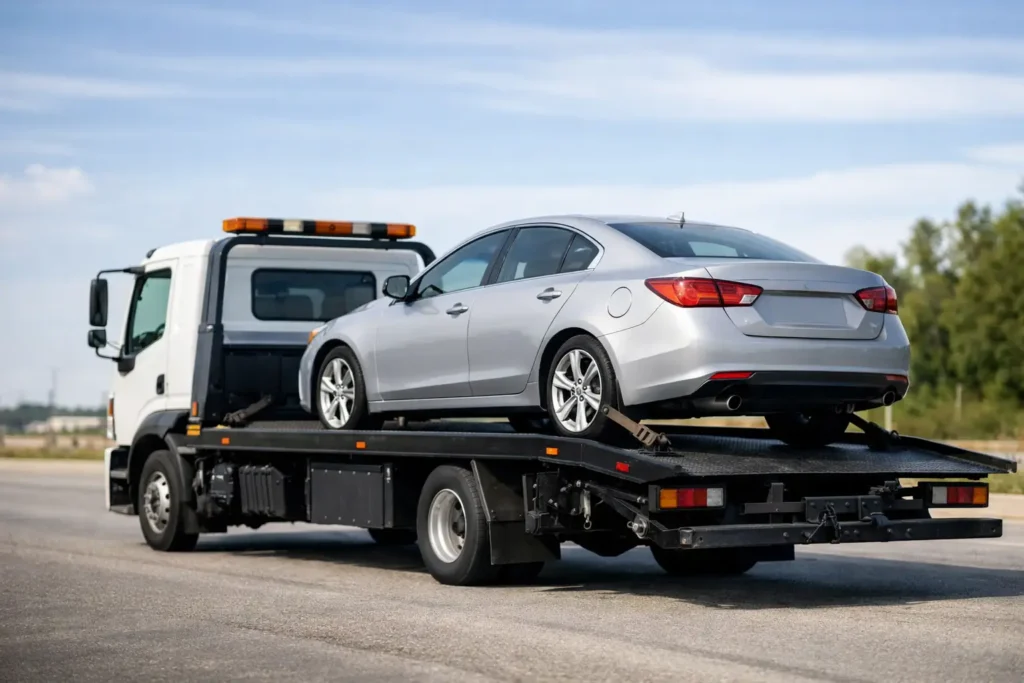
A flatbed tow truck carries your vehicle fully off the ground on a level platform. Instead of pulling the car with two wheels rolling on the road, the operator uses ramps or a hydraulic bed to load the entire vehicle onto the truck and secure it in place.
That difference matters. With a flatbed, there is less wear on tires, suspension, transmission components, and driveline parts during transport. It is also a better fit for damaged vehicles, low-clearance cars, luxury models, motorcycles, EVs, and many all-wheel-drive vehicles.
Not every breakdown requires a flatbed, but many do. If the vehicle has severe front-end or rear-end damage, a broken axle, steering problems, or wheel damage, dragging it with a basic wheel-lift setup may not be appropriate. In those cases, a flatbed is the safer and more controlled choice.
When a guide to flatbed towing service helps most
The biggest mistake drivers make is assuming all towing methods are basically the same. They are not. The right method depends on the condition of the vehicle, the location, and the risk of causing further damage.
A flatbed is commonly the best option after an accident, when a car will not start and the cause is unknown, or when the manufacturer recommends full-wheel lift transport. It is also preferred for vehicles with very low ground clearance. Sports cars, electric vehicles, motorcycles, and some SUVs with sensitive drivetrain systems are often better off on a flatbed.
There are also practical situations where flatbed towing simply makes the process easier. If your car is stuck in a parking garage entrance, angled in a ditch, or parked in a way that limits access, an experienced operator can decide whether a flatbed with the right equipment can recover and load the vehicle safely. Sometimes another tow method may work, but when there is uncertainty, protecting the vehicle should come first.
Why flatbed towing is often the safer choice
The main benefit is straightforward – your vehicle rides on the truck instead of being pulled behind it. That reduces exposure to road hazards and avoids forcing damaged or sensitive parts to move during transport.
For all-wheel-drive and four-wheel-drive vehicles, this is a major advantage. Many of these systems can be damaged if the vehicle is towed improperly with some wheels on the ground. The same logic applies to EVs, which may have manufacturer-specific towing requirements due to regenerative braking systems, motor placement, or battery protection concerns.
Flatbed towing also gives operators better control over securement. A properly loaded vehicle is strapped and stabilized in a way that limits shifting during transport. That matters on rough roads, during sudden stops, and in heavy city traffic.
There is a trade-off, though. Flatbed service can cost more than simpler towing methods, especially if the job is complicated by crash damage, blocked wheels, underground access issues, or recovery work. But if improper towing risks transmission damage, underbody scraping, or suspension problems, the cheaper option may not be cheaper in the end.
Vehicles that usually need flatbed towing
Some vehicles should be considered flatbed candidates right away. Luxury cars and performance vehicles often sit too low for standard towing without scraping bumpers or undercarriage components. Motorcycles are also commonly moved by flatbed because they can be loaded and secured more safely with the proper setup.
Electric vehicles deserve special attention. Not every tow company handles EV towing correctly, and not every operator understands the model-specific precautions involved. If you drive an EV, it is smart to ask directly whether the company has experience with electric vehicle transport and the right equipment to load it without causing damage.
Accident-damaged vehicles also belong in this category. If the wheels are bent, airbags deployed, or steering is compromised, the goal is not just moving the car – it is moving it without making the damage worse.
What to expect when you call for service
When you call for a flatbed tow, the dispatcher should ask a few basic questions before sending a truck. Expect to provide your exact location, the vehicle make and model, the condition of the vehicle, and whether it was involved in a collision. You may also be asked if the car starts, whether it can shift into neutral, and if any wheels are locked or damaged.
These questions are not there to slow things down. They help the dispatcher send the right truck and the right operator the first time. In a busy area like Toronto, that can save valuable time and reduce the chance of delays.
Once the truck arrives, a professional operator will inspect the vehicle, explain the loading plan, and secure the car carefully. If the vehicle is heavily damaged or stuck in an awkward position, the process may take longer. That is normal. Fast service matters, but safe loading matters more.
How pricing usually works
Drivers often ask whether flatbed towing is expensive. The honest answer is that it depends on distance, vehicle type, time of day, accessibility, and how complex the load is.
A straightforward tow from a roadside shoulder to a repair shop is usually simpler than recovering a disabled SUV from a tight condo garage or moving an accident-damaged vehicle with locked wheels. After-hours service, highway calls, and specialty vehicles can also affect pricing.
What matters most is transparency. A reputable towing company should explain the expected charges clearly before the job moves forward. If pricing sounds vague or keeps changing without reason, that is a red flag. In an emergency, clear communication is part of good service.
How to choose the right towing company fast
When you are stranded, speed matters. So does judgment. The best company is not just the one that answers the phone first. It is the one that can dispatch quickly, explain the process clearly, and handle your vehicle properly.
Look for a provider that is available 24/7, uses licensed and insured operators, and has experience with flatbed jobs, not just general towing. Ask whether they can handle your exact vehicle type, especially if you drive an EV, motorcycle, luxury vehicle, or commercial unit. You should also ask for an estimated arrival time and a clear price range.
A calm dispatcher is a good sign. If the company sounds organized under pressure, that usually carries through to the service on the road. For drivers across the GTA, from Downtown and North York to Etobicoke and Scarborough, that kind of reliability matters when traffic, weather, and location can complicate a simple tow.
What you should do while waiting
If you are on the roadside, safety comes first. Move to a safe location if possible, turn on your hazard lights, and stay clear of moving traffic. If the vehicle is in a dangerous position and cannot be moved, call for help right away and avoid standing near the road.
Gather your location details before the truck arrives. A nearby intersection, parking lot entrance, building number, or highway marker helps speed up dispatch. If you can safely take photos of the vehicle condition, that can also be useful, especially after a collision.
Then keep your phone nearby. Dispatchers or drivers may need to confirm your location or ask a final question about access.
Flatbed towing service is about protection, not just transport
The best way to think about flatbed towing is simple. You are not only paying to move a vehicle from one place to another. You are paying to reduce risk during a breakdown, after an accident, or anytime your car cannot be trusted to roll safely on its own.
That is why many drivers choose flatbed service even when another towing method might technically work. The extra protection, better stability, and lower chance of added damage often make it the smarter call.
If you ever need urgent roadside support, choose a team that treats the situation with the right mix of speed, care, and straight answers. Emergency Roadside Service by South Toronto is built around that standard – because when your vehicle is disabled, reassurance only matters if the help behind it is fast, capable, and ready to move.