A rental car problem can turn a simple trip across Toronto into a stressful stop on the Gardiner, in a downtown parking garage, or outside a hotel late at night. Roadside assistance for rental vehicles works differently than help for your own car because the rental company still owns the vehicle, controls many repair decisions, and may have specific reporting rules. The right move is to protect yourself first, document the issue, and get qualified help without making the situation more expensive.
Start With Safety, Then Contact the Rental Company
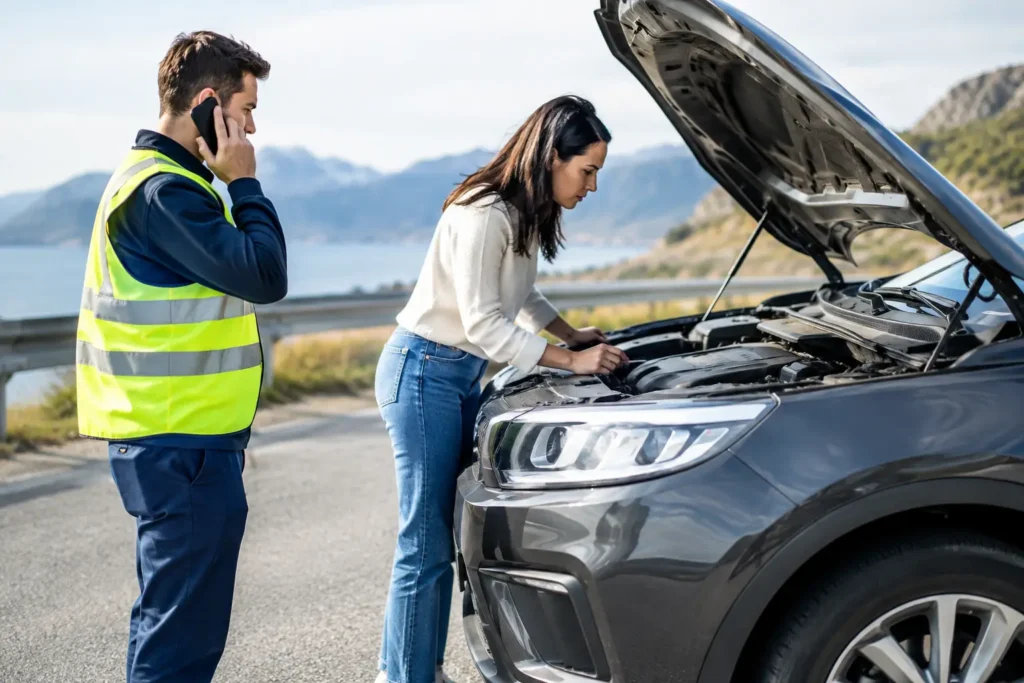
If the rental vehicle loses power, gets a flat tire, overheats, or will not start, move it out of traffic only if it is safe to do so. Turn on the hazard lights, set up a safe distance from moving vehicles, and avoid standing between the vehicle and traffic. On a busy Toronto roadway, a breakdown can become dangerous quickly, especially in poor weather, at night, or near a construction zone.
For a collision, injury, smoke, leaking fluid, or a vehicle stopped in an unsafe lane, call emergency services first. Do not attempt to change a tire or inspect damage beside fast-moving traffic. A quick roadside fix is never worth putting yourself, your passengers, or other drivers at risk.
Once everyone is safe, find the rental agreement. Most rental companies print a dedicated emergency or roadside number on the paperwork, key tag, or inside the rental app. Call that number before authorizing a tow whenever possible. Ask what service is included, whether you must use their dispatch provider, and where the vehicle should be taken if it cannot be repaired on site.
This call matters because a rental company may require approval before towing the car to a dealership, repair shop, or rental location. It can also tell you whether you have roadside coverage through the rental agreement, a credit card benefit, personal auto insurance, or a membership plan.
What Rental Roadside Coverage May Include
Coverage depends on the company, the vehicle class, the rental location, and the protection package you selected. Some rental contracts include limited help for mechanical failures but charge for driver-caused issues. Others sell roadside protection as an optional add-on.
Typical roadside assistance for rental vehicles may cover a dead battery jump start, flat tire service, lockout help, fuel delivery, or towing after a mechanical breakdown. However, the details make a difference. Fuel itself may not be free. A replacement key can be costly. Damage from driving on a flat tire, using the wrong fuel, or ignoring warning lights may fall outside the included coverage.
Do not assume that a roadside plan covers every situation simply because it has the word “assistance” in the name. Ask the dispatcher direct questions: Is there a service charge? Is towing covered? Can an independent roadside provider help? Will I be billed first and reimbursed later? Get the representative’s name and reference number if one is available.
Mechanical Failure Versus Driver-Caused Trouble
A vehicle that will not start because of a failed battery or mechanical defect is usually handled differently from a vehicle that ran out of fuel or was locked with the keys inside. The rental company may cover a genuine equipment failure, while charging for situations it considers avoidable.
That does not mean you should delay calling for help. It means you should clearly describe what happened and avoid guessing at the cause. Say that the engine will not crank, the tire is flat, or the vehicle displays a warning message. Let the roadside professional and rental company determine the next step.
Common Rental Car Problems and the Right Response
A dead battery is one of the most common reasons drivers need help. Interior lights left on, cold weather, aging batteries, and repeated short trips can all leave a rental car unable to start. Do not keep cranking the engine or attempt an improvised jump with unknown equipment. A professional jump start can test whether the car starts normally and identify when towing is the safer choice.
For a flat tire, pull over as soon as you can do so safely. Modern rental vehicles may have a spare tire, a tire inflator kit, run-flat tires, or no spare at all. Check the rental company’s instructions before removing anything from the trunk. Driving on a visibly flat tire can damage the wheel and suspension, turning a basic tire service into a larger claim.
Lockouts are stressful, particularly when a child, pet, medication, or essential belongings are inside. Do not force a door, pry open a window, or use online tricks that can damage weather stripping, locks, airbags, or electronics. Call the rental company, then request professional lockout service if authorized. If a child or pet is in immediate danger, call emergency services.
If you run out of fuel, pull completely off the road before calling for delivery. Confirm the fuel type from the fuel door, dashboard, or rental paperwork. Gasoline in a diesel vehicle or diesel in a gasoline vehicle can cause serious damage. When in doubt, do not add fuel until you have verified the correct type.
When an Independent Roadside Provider Makes Sense
Rental company dispatch is often the best first call, but it is not always the fastest available option. A driver may be stranded in a garage with limited access, waiting too long for a contracted provider, or dealing with a problem that needs immediate local support. In those cases, an independent towing and roadside company can provide practical help, provided you have checked the rental company’s requirements.
For Toronto drivers, Emergency Roadside Service by South Toronto can assist with urgent jump starts, lockouts, mobile tire changes, fuel delivery, and towing coordination 24/7. Before service begins, tell the dispatcher that the vehicle is a rental. Share the vehicle make, model, location, symptoms, and the rental company’s instructions if you have them.
Ask for clear pricing before work starts and keep every receipt, invoice, photo, and dispatch record. If the rental company permits outside service, this documentation may help with reimbursement or explain what happened when you return the vehicle. Transparent pricing and professional handling matter even more with a rental, because you need a clean record of the service performed.
Towing a Rental Car Without Creating More Problems
Towing is not always a simple matter of taking the vehicle to the nearest repair shop. Some rental companies want the vehicle returned to a designated branch. Others direct it to an approved repair facility or arrange a replacement vehicle at a specific location. Calling for a tow without direction can create avoidable charges or delay your replacement.
If the rental company cannot be reached and the vehicle is unsafe or immobile, tell the roadside dispatcher that you need safe towing for a rental vehicle. A licensed operator can help assess whether a flatbed is appropriate, particularly for an all-wheel-drive vehicle, EV, luxury vehicle, or car with wheel damage. Improper towing can create additional damage, so this is not the time to accept a questionable solution.
Before the vehicle leaves, remove personal belongings, take photos of its condition, and record the tow destination. Keep the rental agreement and keys with you unless the rental company gives different instructions. If the car is being towed after a collision, follow police and insurance directions as well.
Protect Yourself Before You Drive Away
The best time to understand rental roadside help is before the first problem. At pickup, inspect the vehicle, photograph existing damage, and locate the roadside number. Check the fuel type, spare tire or tire kit, warning-light instructions, and any EV charging requirements. If you purchased roadside protection, know what it covers before you need it.
It is also smart to confirm whether your credit card or personal insurance offers rental protection. Those benefits can be valuable, but they often have conditions, exclusions, and documentation requirements. Coverage for collision damage does not automatically mean coverage for lockouts, tires, fuel delivery, or towing.
When trouble happens, calm decisions save time. Get to a safe location, notify the rental company, use qualified roadside help, and document each step. The goal is not just to get moving again. It is to get home, to your meeting, or to your next destination with the vehicle handled properly and no unpleasant surprises waiting at the rental counter.