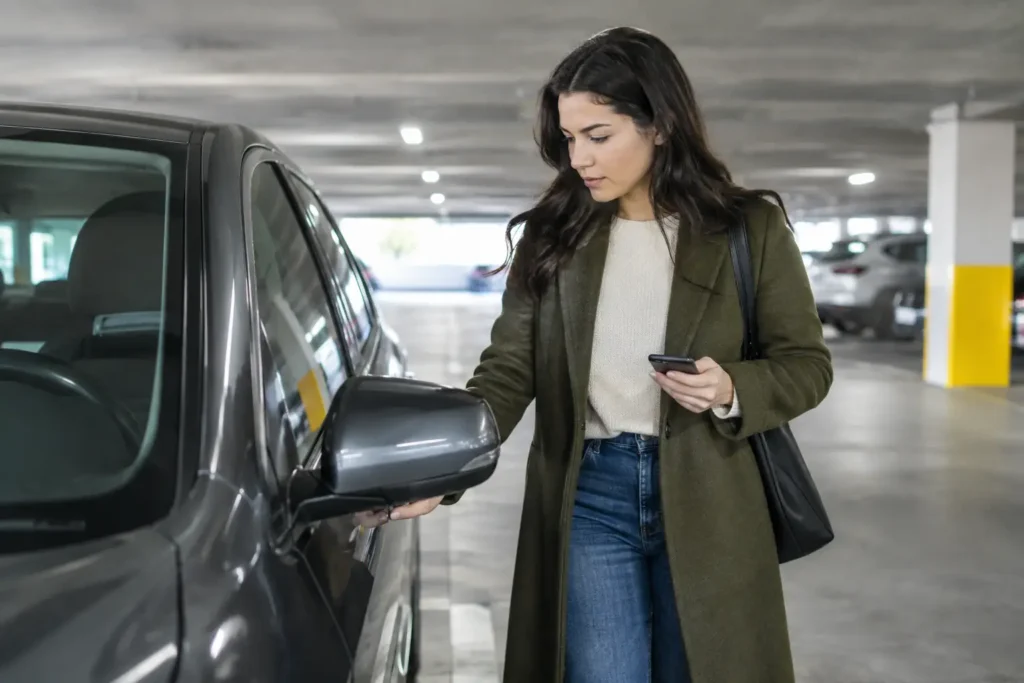
A disabled vehicle inside a parking structure is not a standard tow call. Low ceilings, narrow turns, tight ramps, concrete pillars, and limited visibility can turn a simple breakdown into a complicated parking garage recovery. If your car will not start, has been damaged, is stuck on a ramp, or is blocking a travel lane, the safest move is to stop trying to force it out and arrange professional help.
For drivers in Toronto, a garage problem can happen almost anywhere: a downtown office tower, condo, hospital, shopping center, airport lot, or underground visitor garage. The goal is not simply to move the vehicle. It is to recover it without causing further damage to your car, nearby vehicles, the garage structure, or people walking through the area.
Why Parking Garage Recovery Is Different
Most roadside towing takes place on open streets with room to position a tow truck, load a vehicle, and merge back into traffic. A parking garage changes every part of that process. Clearance may be too low for a conventional tow truck. Ramps can be steep and slippery. A driver may have only inches between a disabled vehicle and a concrete wall.
That is why the recovery method depends on the vehicle, its condition, and the garage layout. A dead battery in an accessible space may only need a jump start. A vehicle with a damaged wheel, transmission issue, accident damage, or an EV system warning may need careful loading and removal with specialized equipment. Trying to use a friend’s vehicle, a tow strap, or repeated acceleration on a ramp can make the situation worse fast.
Professional operators assess the access point, posted height restrictions, ramp direction, vehicle position, and whether the wheels can safely roll. They also coordinate with garage security or property management when needed. That planning protects everyone involved and avoids an expensive second problem.
What to Do When Your Vehicle Stops in a Garage
First, put the vehicle in park if possible, apply the parking brake, and turn on the hazard lights. If the car is in a lane or ramp, get yourself and passengers to a safe location away from moving vehicles. Do not stand behind the car or remain in a blind corner where other drivers may not see you.
If the vehicle is in a secure underground garage, notify security, the concierge, or building management. They may need to direct traffic, reserve elevator access, open a service entrance, or provide the recovery team with clearance details. This is especially useful in condo garages and commercial buildings where access is controlled.
When you call for assistance, give the dispatcher more than the street address. State the exact garage name, level, section, stall number if available, and whether the vehicle is on a flat level or ramp. Mention the posted clearance height, the closest entrance, and the problem you noticed. If there has been a collision, tell the dispatcher whether the wheels are damaged, airbags deployed, fluids are leaking, or the vehicle is blocking traffic.
Clear details help dispatch send equipment that can actually enter and work in the space. It can also reduce delays when every minute matters.
Do Not Force a Disabled Car Out
A vehicle that will not start is frustrating. A vehicle that moves but makes grinding noises, has a flat tire, overheats, or shows a serious warning light is different. Driving it up a ramp to get outside may damage the engine, transmission, suspension, tires, or battery system.
This is particularly true after an impact. Even a low-speed collision with a pillar can bend a wheel, damage steering components, or shift a bumper into a tire. The car may appear drivable for a few feet but become unsafe once it reaches an incline. Forcing it forward can leave it stranded in a more difficult position.
Electric vehicles require additional caution. A warning light, underbody strike, battery concern, or charging-system issue should be communicated before recovery begins. EV towing may require specific handling to prevent further damage. The same applies to all-wheel-drive and luxury vehicles, which should not be pulled in a way that risks drivetrain damage.
The Right Equipment Matters in Low-Clearance Garages
There is no single solution for every parking garage recovery. A professional towing company may use a low-clearance tow truck, dollies, wheel lifts, skates, winching equipment, or a flatbed positioned outside the garage. The right approach depends on the available height and the condition of the vehicle.
For a car that can roll and is parked on a level surface, a compact recovery setup may be enough to move it safely to an accessible loading area. If the vehicle cannot roll because of wheel damage, a locked transmission, or a collision, specialized equipment may be necessary. In some cases, the vehicle is carefully extracted from the garage first, then loaded onto a flatbed at street level.
The trade-off is time versus risk. A rushed recovery with the wrong truck can scrape a roof, bumper, or garage pipe. A more deliberate approach may take longer, but it protects your vehicle and reduces the chance of property damage or a failed extraction. Honest dispatchers should explain the likely process and pricing before work starts whenever conditions allow.
Common Garage Situations That Need Recovery Help
Some parking garage calls are straightforward, while others require an experienced operator and careful coordination. The most common situations include:
- A dead battery after lights or accessories were left on
- A lockout with keys inside the vehicle
- A flat tire or damaged wheel in a tight parking space
- A collision with a pillar, gate, wall, or another vehicle
- A vehicle stalled on a ramp or blocking a garage lane
- A car that will not shift into gear or will not release from park
- An EV with a warning message, charging issue, or suspected underbody damage
A lockout or jump start may solve the problem without towing. That is why it helps to describe symptoms accurately instead of assuming your vehicle needs a full tow. On the other hand, if the vehicle has been in a collision or cannot be moved safely, do not accept a quick fix that puts your car at risk.
How to Help the Recovery Go Smoothly
You do not need mechanical knowledge to make a recovery easier. Stay available by phone, keep your parking ticket or access card ready, and be prepared to meet the operator at the most practical entrance. If security has contacted you, ask whether they have the posted clearance height and whether a service bay or alternate exit is available.
Take a few photos of the vehicle and its position before it is moved, especially after a collision. This can help document existing damage for insurance purposes. Remove valuables if you must leave the vehicle, but do not climb around a disabled car on a ramp or attempt to inspect damage near moving traffic.
If you drive a commercial vehicle, delivery van, or work truck, tell dispatch about its length, height, weight, and cargo. These details are critical in a structure designed primarily for passenger cars. A recovery plan that works for a compact sedan may not be appropriate for a loaded van.
When to Call for Immediate Help
Call for professional assistance right away if your vehicle is blocking an entrance, ramp, fire lane, or travel path. You should also request help immediately if there is smoke, fuel or fluid leaking, visible collision damage, a strong burning smell, or an EV warning related to the battery or high-voltage system. Move to a safe area and alert garage staff if there is any concern about fire or hazards.
For less urgent issues, such as a battery that may simply be drained, prompt roadside support can still save time and prevent an unnecessary tow. Emergency Roadside Service by South Toronto provides 24/7 dispatch coordination for drivers facing breakdowns, lockouts, flat tires, jump starts, and complex recovery needs across the GTA.
A garage breakdown is stressful because space is limited and the next move is rarely obvious. Stay safe, share precise location details, and let trained recovery professionals choose the equipment and method that gets your vehicle out without adding damage to an already difficult day.